Category Archives: Current Issues

Sensory Processing Disorder Through A Child’s Eyes

Understood is a website that provides information and support to parents and those interested in helping kids who have learning differences and attention issues. I found this website through the National Center for Learning Disabilities which is one of the well know non-profits that helped create the website. One of the features of the website is called Through Your Child’s Eyes. Which gives the perspective of the child’s experience with their learning issues. Here is a great one describing Sensory Processing Disorder.

I have seen a child cover her ears and scream when she went into a gym filled with noisy kids. If you understood it is actually painful for the child to hear all the noise, it explains the behavior.

Sensory Processing Disorder does not just affect children with Autism. It can exist by itself or with other conditions like ADHD.

Photo from Sensory Processing Disorder 101 by Priscilla Scherer

APPs That Help People with ADHD

Smartphone productivity apps, best apps for ADHD symptoms

Image via Additude Magazine, click on image to link to APP article

Additude Magazine online has a new information guide called ADHD:The First 100 Days. It provides loads of information and resources for people who may want to know more about ADD and what can help.

The information about technology caught my eye because I know how many people are really into it and especially young people. In this article, written by a self-identified tech geek, the author mentions several APPs he has found very useful to manage time, work, sleep, e-mails, block out distractions and more. There is one APP he lists called “Rescue Time” that helps you track your activity on the internet. I got a laugh when he shared that he did not realize, and discovered with this APP, that he had spent 2 hours watching cat videos.  I was laughing with him because I know the internet is so seductive. There is always one more interesting article to read or video. Other APPs like “Freedom” and “Anti-Social” help you block access to distracting sites while you are at work or working on a report.

This article lists 30 different APPs. I think there are many that could be very useful.  What do you think? Have you discovered any APPs yourself?

The Difference of ADD Part II

“ADDers do not fit into the standard school system, which is built on repeating what someone else thinks is important and relevant. “–Dr. William Dodson

I wanted to continue my discussion of Dr. Dodson’s article because he brings up some very interesting points I did not address in the first post. He says non-ADHD, or neurotypical, is not “normal” or better. There is a difference in the way their nervous systems operate.

He also says that the cognitive and behavior therapies used to manage ADHD do not have a lasting effect because these therapies are designed for a neurotypical system. What motivates a neurotypical person does not work well to motivate a person with ADHD. The person with ADHD needs to create their own system or “owner’s manual.” I think many adults with ADD have learned to do this more or less by trial and error. If they are able to function well in the neurotypical world, they have found their own ways to do so.

Dr. Dodson lists some suggestions of how people can create their own successful strategies by tuning into what is working for them now and to apply these techniques to other areas of their lives.

Another statement that really stood out for me is, ” the first thing for coaches, doctors, and professionals is to stop trying to turn ADHD people into neurotypical people. The goal should be to intervene as early as possible, before the ADHD individual has been frustrated and demoralized by struggling in a neurotypical world, where the deck is stacked against him.”

The Difference Called ADD

What does it feel like to have ADD?

Click image to slideshow by Additude Magazine

“ADHD is like a browser with 600 tabs open, each to a different website.”–adult with ADD

“No matter how clever the alien becomes at attempting to pass as an earthling, some telling awkwardness in his manner, some fatal expression of his true nature will, in unguarded moments, betray him for what he is: “different.”–Gabor Mate M.D. in Scattered

To say someone with ADD has a deficit of attention is a misnomer. People with ADD have a deficit of attention for something that does not interest them. They have an abundance of attention for many things. I think that has been called curiosity.

In his article, Secrets of the ADHD Brain, William Dodson M.D. states “ADHD is not a damaged or defective nervous system. It is a nervous system that works well using its own set of rules. Despite ADHD’s association with learning disabilities, most people with an ADHD nervous system have significantly higher-than-average IQs. They also use that IQ in different ways than neurotypical people. By the time most people with the condition reach high school, they are able to tackle problems that stump everyone else, and can jump to solutions that no one else saw.”

I don’t like calling ADD a “condition” either because that makes me think of illness. I prefer calling it a difference. I do think kids can have trouble functioning in school with ADHD if they are not helped to develop coping skills to adjust their temperaments and differences to the neurotypical, linear thinking environment.  Teachers can make accommodations and modifications in the classroom and work load to help kids with ADHD engage and manage with their school work requirements.

” Far from being damaged goods, people with an ADHD nervous system are bright and clever. The main problem is that they were given a neurotypical owner’s manual at birth. It works for everyone else, not for them.” (Dodson)

Age Like an Okinawan

Senior Planet alerted me to a You Tube video of Dr. Andrew Weil talking about longevity in Okinawa. Many of us have read about “Blue Zones” or regions of the world known for centenarians. Many things have been written about the diets and philosophies of the people in these zones in hopes that we may emulate them.

Dr. Weil discusses how he has made several trips to Okinawa and has found many factors that may contribute to their people’s longevity. A couple of factors he mentions are healthy diet and physical activity. One factor he chose to emphasize, and that really caught my attention, is the cultural value placed on aging in Okinawa. He says the people there are not ashamed of aging and are considered valued members of their community. They are considered ” living treasures.” Dr. Weil argues that the extreme negative attitudes towards aging in our culture are what influences the way we age and contributes to the negative manifestations of aging we see. Food for thought?

Try to catch yourself when you are making negative self-talk about getting older. Things like ” I’m having a senior moment,” or when you have a ache or pain saying, ” Oh, I must be getting old.” I have heard 40 year olds making these remarks about getting older. Just think if you feel that way at 40, how will you feel at 60?

When we internalize our culture’s negative attitudes toward aging we can not help looking at ourselves negatively and feeling negative about getting older. I would like to age like an Okinawan and feel like a “treasure.” How about you?

Feeling Separate and Unequal with ADHD

Image via Additude Magazine

People with any kind of learning difference are bound to feel “separate and unequal,” because of their difficulties navigating in a world that expects them to fit in. Dr. Dodson describes in this slideshow what this is like and how kids with learning differences can develop a deep shame. Click here to read more:  Feeling Separate and Unequal with ADHD.

It made me aware of how I need to be sensitive to how my reactions can effect the kids I work with as a tutor. I need to keep reminding myself that many of the behaviors are due to the learning differences.

“For ADHDers, shame arises from the repeated failure to meet expectations from parents, teachers, friends, bosses, and the world. It is estimated that those with ADHD receive 20,000 more negative messages by age 12 than those without the condition. They view themselves as fundamentally different and flawed. They are not like other people.–Dr. William Dodson”

It is so important for kids to receive the message that they are accepted and do not have to be perfect. The message that they are worthwhile people and are loved for who they are.

Dr. Dodson points out it is important for kids to feel they have a cheerleader:

“Having someone—a friend, neighbor, coach, or grandparent—who accepts and loves a child or adult with ADHD, despite his faults and shortcomings, is vital in overcoming shame. This is the opposite of perfectionism, in which approval is contingent on what the person has done lately. The accepting person acts as a vessel that holds the memory of you as a good and valuable person, even when things go wrong.”

Yoga is for Every Body

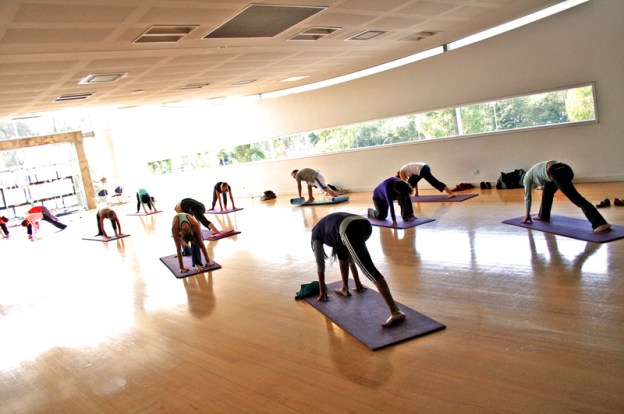
I spotted an uplifting post on the front page of the Huffington Post that was written by a Yogi, V.K. Harber, who has her own studio in Tacoma, Washington. She brought up so many good points about how we all have these unrealistic ideas about the ideal body. And we all do not have to have the perfect body to benefit from yoga. She says it is just the opposite. That most of us do not have the perfect body and that is ok.

I relate to what she is saying. I have been looking for a yoga class that is not “aerobic yoga”, which is my label for competitive, highly challenging and painful. Part of me wants to say, ” no pain, no gain” and tell myself go ahead and aim for that perfect body image. Whip myself into a thin, muscular me. But I think that it just not realistic and I do need to accept that I am not going to look like the popular, health magazine image. (I love the photos, shared by Ms. Harber, of everyday folks doing yoga.)

But that should not stop me from doing some gentle, restorative yoga. I used to do a pretty mean warrior pose.

yoga-32126_640  via Pixabay

Adult with ADHD: What I Wish I Knew As an ADD Child

Image via ADDitude

As someone who is an Education Specialist and works with kids with learning differences, one of my favorite sources for information is ADDitude Magazine online. I love this post written by an adult with ADD looking back on her childhood. She talks about 10 things she wishes she had known and wants us to know about ADD. She talks about how people with ADD do not have an attention deficit but their attention is diverted. She was often told in school that she was not working up to her potential. She has discovered that “the catalyst for potential is passion not just hard work.”

Take a look at the slideshow:

Adult with ADHD: What I Wish I Knew As an ADD Child.